


What Kind of Tiles Do You Need for Tiling?
- Jan 7, 2017
- 5 min read

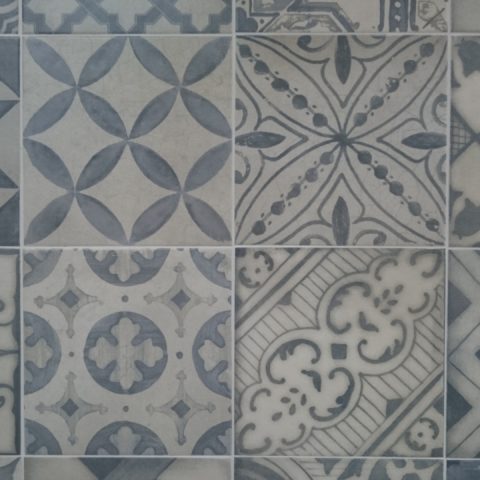

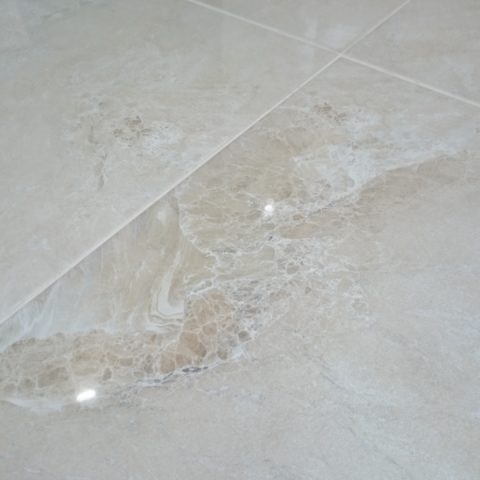

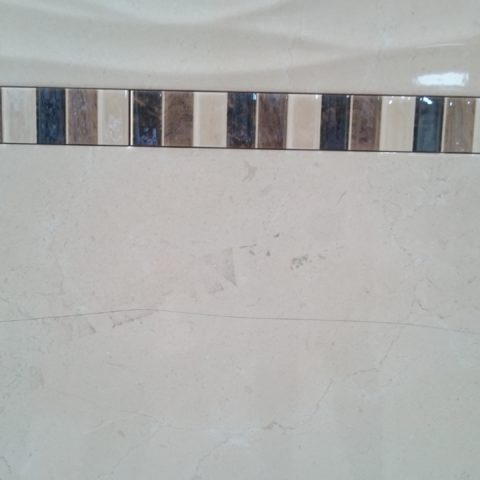

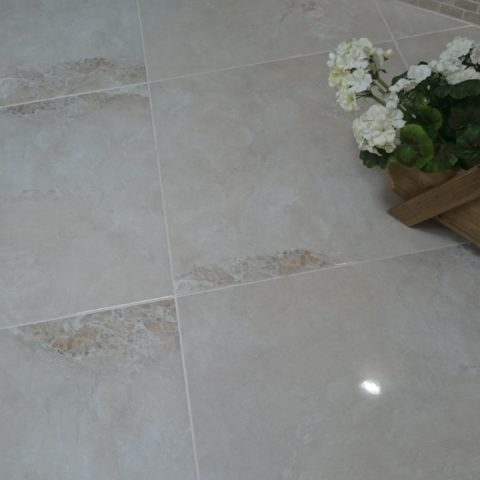

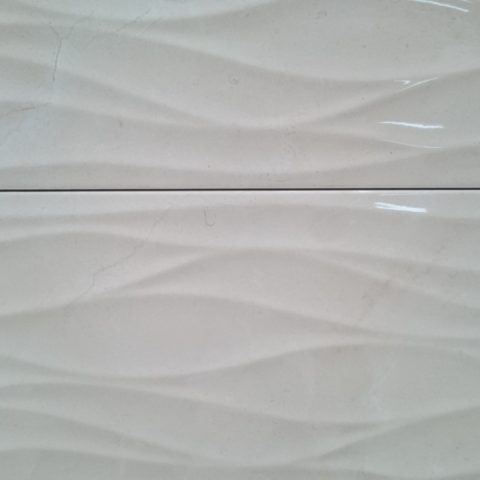
(Images Courtesy of Aqua Tiles, Rathnew Tel: 0404 61544, info@aquatiles.ie)
The kind of tiles that you need for tiling a particular area is generally decided by the room that you are planning to decorate. Finding the right tiles for a bathroom (link) for example can be different to the ones that you choose for your kitchen space, hallway or any other area. There are also other factors that will influence your buying decision and this includes budget as well as the overall, lasting impression that you are hoping to achieve. To give you a better idea of the kind of tiles that are available, we have created a list with a short description of each.
1. Ceramic
Ceramic tiles are made from clay that is quarried and then formed, using a press, into the various shapes that tiles are bought in. It is made from the process of heating and cooling natural clay and minerals to achieve the look of the ceramic tile.
2. Porcelain
Porcelain is made using natural clay and as a general rule of thumb they tend to be the most popular tiles in a bathroom. This is because they are much more dense, less porous and harder thus having greater water resistant. In terms of design, porcelain and ceramic can be best described as the chameleons of the tiling world. They can take on the appearance of other tiles such as natural stone and wood. As well as this, it can project texture for example, to give the perception of fabric, print and leather.
There are two types of porcelain tiles:
- Through-bodied or unglazed means that the colour and texture are throughout the tile. This has the benefit of covering chips or scratches and makes it a considerably strong and lasting tile.
With a glaze there is less deterioration over time therefore it can be used on a variety of surfaces including floors, walls and countertops.
- Glazed porcelain are the most versatile as they offer the broadest range of colours and designs. This tile has a hard finish and a layer that is usually coloured but also helps the tile to wear well.
3. Natural Stone Tiles
This kind of tile is obviously made from natural materials that are quarried, slabbed, finished and then cut to size. There are many variations including granite, marble, limestone (as well as travertine) and slate. Each one will have it's own distinctive qualities.
Limestone
This stone is a sedimentary rock which has a more earthy appearance to it and is less dense. The colour scheme ranges from light to dark and the top layer can have either a smooth or textured appearance. Due to its characteristics, this kind of tile is less stain and scratch resistant therefore it's not recommended for high traffic areas.
Travertine
Travertine is a form of limestone and is a by-product of hot springs. While it's being formed, the minerals are mixed together thus giving the tile a crystalised look with earthy undertones. Again, the properties of the travertine tile do not lend itself to areas of high traffic.
Slate
Slate comes from metamorphic rock which is very dense and strong. It is sourced from different quarries around the world and it has a much finer grain as well as a richer palette of colour. The surface of slate has a naturally occurring texture but can also be produced with a smooth honed appearance.
Marble
This kind of tile is made from a very durable metamorphic rock. It has a distinctive, deep veining and is available in pretty much all colours, there is also variation in its component materials. There is a variety of choice in terms of the range of finishes available and these include polished, honed, brushed and tumbled.
Granite
A granite tile is created from the igneous rock which is the result of the cooling and solidification process of lava or magma. Granite can be recognised by the fleck and individual veining that is evident in the tile surface. Again, there is a depth to the colour and physical appearance naturally evident in the stone.
Pebbles and Stones
These kind of tiles are more inclined to be used as accents or for focus points in a room. They can inject a neutral note into your living space. They don't have a completely uniform shape and therefore add individuality.


(Images Courtesy of Aqua Tiles, Rathnew. Tel: 0404 61544, info@aquatiles.ie)
Quartzite
Quartzite is an extremely hard wearing tile as it is created from the metamorphic rock. It is very versatile and has an elegant look about it. They are also available in lots of different colours and textures.
Natural Stone Tile Surface Finishes
The last point to note is that stone tiles can be bought with three different types of finishes. These include:
- Natural
- Honed
- Polished
The finishing process is started as soon as the stone has been quarried and cut into a rough slab. After this has been done, the face of the slab is polished using abrasive pads. It begins with very coarse pads and gradually less coarse pads are applied until the stone is buffed. At this point, the stone fabricator will cut the tiles to the required size. It is important to know what kind of tile finishing surface you want and this can be worked out based on what kind of wall and/or floor space is being covered and how you would like it to look.
There is the unfinished, natural look that is more earthy and thus duller in appearance. It is possible to see the normal, raw characteristic textures of the stone.
Stone surfaces that have a honed finish are produced by stopping the polishing process before the stone is buffed. Thus, the exterior is smoother and matte in appearance.
As the term would suggest, a polished finish achieves a surface that is extremely reflective. The benefit of this is that it makes the stone almost completely impervious but also more slippery.
When you're thinking about type of tiles that you will need, it's always good to determine beforehand what exactly your requirements are. If you are in any doubt, consult with a professional. I'm Yer Man Building and Roofing Specialists have developed over 30 years of successful home improvement projects - read what our happy clients say or book a free consultation today. Alternatively contact us on 087 923 3663 or email iymbuilder@gmail.com
Like Some More Information...?




Comments